PREAMBLE: As androids edge closer to reshaping how we work,
interact and manage conflict and resources, the absence of
clear regulations leaves human rights, jobs and social bonds
unprotected.
Despite anxieties, concerns, and warnings, androids or humanoid
robots that rely on generative artificial intelligence (GAI)
and advanced robotics are increasingly being integrated into
the modern lives of human populations. This integration raises
serious challenges regarding humanity’s future in an
era where androids are emerging rapidly.
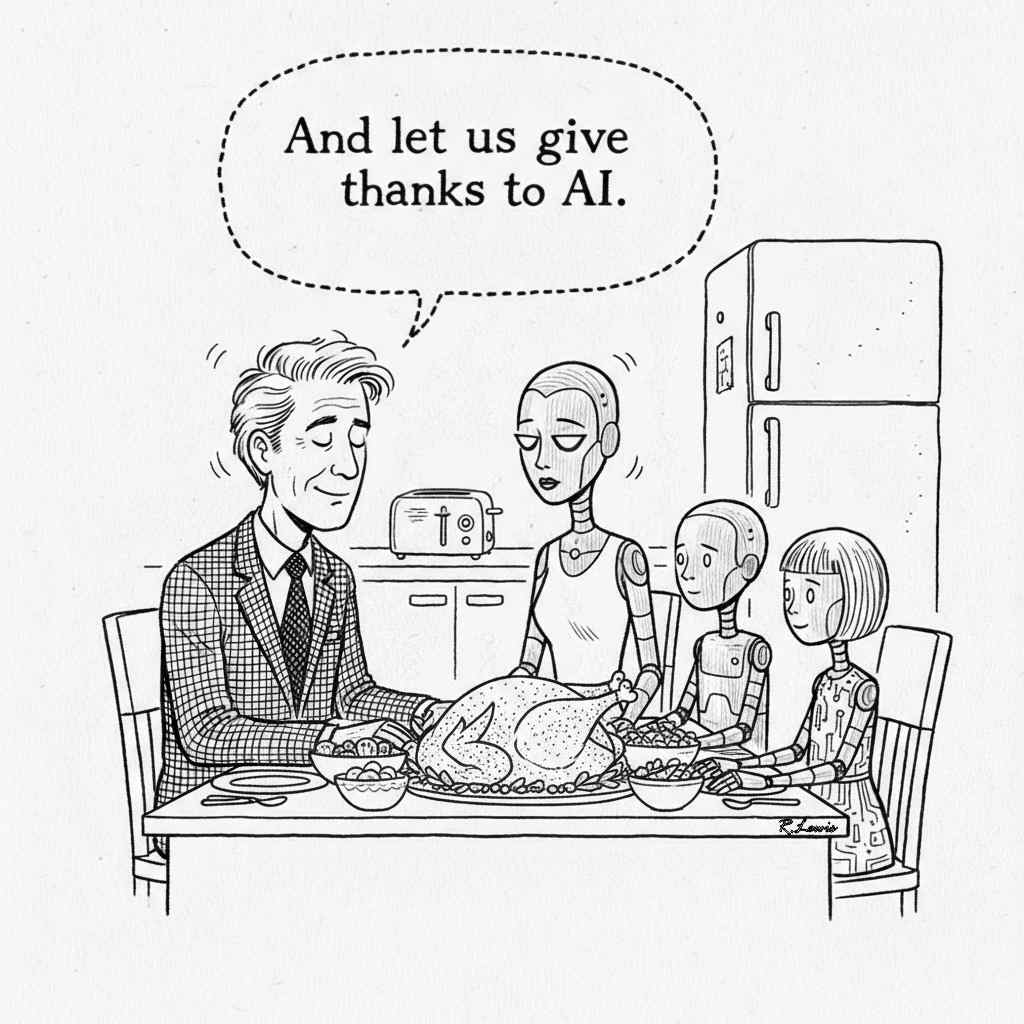 Some
have expressed concerns that GAI and robots are embedding
and intensifying existing societal biases, stereotypes, misogyny,
and discrimination in the development of these new technologies.
Some
have expressed concerns that GAI and robots are embedding
and intensifying existing societal biases, stereotypes, misogyny,
and discrimination in the development of these new technologies.
Soon, androids are expected to change the nature of work,
social interactions, conflict resolution, and resource management.
However, guidelines, regulations, and protocols for their
usage and protecting human rights, employment, and social
relationships have not been established yet.
GROWTH
In
response to the increasing need for automation in various
sectors of society, coupled with declining production costs
and increasing corporate investments, the use of androids
is evolving rapidly. Breakthroughs in generative artificial
intelligence have accelerated the development of androids.
At the start of the 21st century, the world’s population
of humans was about 6.2 billion and, except in science fiction
novels and movies, androids were essentially non-existent.
By 2025, the world’s human population had increased
to 8.2 billion, with the number of androids estimated to have
grown to about 10 thousand.
By 2050, the global population of humans and androids is projected
to reach 9.2 billion and 1 billion, respectively.
With
many countries facing demographic decline and population ageing,
coupled with opposition to immigration in most destination
countries, many governments, industries and organizations
are increasingly turning to technologies that incorporate
generative artificial intelligence and advanced robotics.
The growth of androids is being driven by several factors,
including substantial financial investments, decreasing production
costs and intense competition among countries in the humanoid
market. Androids are increasingly being utilized in education,
entertainment, healthcare, manufacturing and household applications.
The
reactions of human populations to androids vary considerably.
Many people have mixed feelings toward androids with artificial
intelligence but see further developments as inevitable.
Although many people use artificial intelligence enabled technologies
daily, they fear androids will lead to job displacement, rising
unemployment, misuse, abuse, intrusive surveillance and loss
of human connection.
The increasing presence of androids is heightening competition
for jobs in the labor market, especially among recent college
graduates. This development is potentially leading to widespread
unemployment, greater dependence on emerging technologies,
and a significant rise in wealth inequality.
The reactions of human populations to artificial intelligence
(AI) vary significantly across countries. A survey of views
towards AI among 21 countries found significant differences
between more developed and less developed countries.
While
most of the public in less developed countries, like Brazil,
China and India, had positive views about AI, in more developed
countries, like Germany, Japan, and the US, 40% or less of
the public had positive views about artificial intelligence.
Another
survey of G7 countries in 2024 reported that 80% of the respondents
feared androids would take away jobs, while 70% believed androids
would dominate social interactions.
Furthermore, 60% of the respondents in the survey were uncomfortable
with androids and preferred them not to resemble humans. This
preference is believed to be partly due to the “uncanny
valley” effect, which refers to the eerie or unsettling
feeling some people experience in response to humanoid robots
and lifelike computer-generated characters.
Further advances in the fields of robotics and GAI have also
led to the emergence of Socibots. These androids are designed
to be social robots. Utilizing GAI and advanced robotics,
they are intended to function as an individual’s friend
and offer companionship.
International
Gallup surveys have found that approximately one-fifth of
the global population experienced loneliness “a lot
of the day yesterday.” The World Health Organization
(WHO) also reports that social isolation and loneliness affect
over one billion people worldwide.
Without proper regulations and guardrails focusing on safety,
fairness and basic human rights, it is uncertain how androids
can integrate into human populations without posing risks
to human wellbeing and the future of humanity.
Equipped with sensors and GAI, Socibots are designed to interact
and communicate with humans using social behaviors. They are
intended to be companions, educators and assistants, and are
expected to be used in hospitals, schools, and homes as their
capabilities improve.
Socibots are becoming more expressive, emotionally intelligent,
and personable, specifically designed to be a person’s
friend. Companies are investing billions of dollars into developing
Socibots that can remember individuals, understand their emotions,
and engage in natural conversation.
In contrast to Socibots, warbots are robots, unmanned vehicles
or devices designed for military operations and warfare. These
warbots are autonomous or remote-controlled mobile robots
intended for military applications.
Military and security forces around the world are currently
utilizing autonomous weapons systems, or warbots, which can
identify and attack targets with varying degrees of human
oversight. These systems are rapidly advancing with the progress
of generative artificial intelligence.
Although autonomous “killer robots” capable of
selecting and engaging targets without human intervention
are in development, they are not yet widely deployed on the
battlefield. There is a growing focus on increasing the autonomy
of warbots to operate independently and behind enemy lines.
CONCERNS
Over
120 countries and various organizations, such as Human Rights
Watch and the Campaign to Stop Killer Robots, have called
for an international ban on the development and use of autonomous
warbots that can select and attack targets without human control.
However, some governments believe that an international ban
is unnecessary. They maintain autonomous robotics could save
the lives of soldiers who might otherwise be killed on the
battlefield. They also stress that most military robots are
tele-operated and unarmed, with many used for reconnaissance,
surveillance, sniper detection and neutralizing explosive
devices.
Some individuals suffer from robophobia, an anxiety disorder
characterized by an intense fear of androids and robots with
generative artificial intelligence. Many of these individuals
view the increasing presence of humanoid robots as creepy,
hazardous and a menace to society.
The increasing presence of androids is heightening competition
for jobs in the labor market, replacing many human jobs, potentially
leading to widespread unemployment, greater dependence on
emerging technologies and a significant rise in wealth inequality.
Some individuals are concerned about the potential for social
isolation, reliance, and loss of human connection as androids
take on roles as companions and service providers.
The global efforts towards advancements in generative artificial
intelligence are demanding substantial amounts of electricity.
Many billions of dollars are reportedly flowing into the data
centers needed to power artificial intelligence. The International
Energy Agency projects that by 2030, data centers will require
slightly more energy than Japan consumes today.
However, others, especially those benefiting financially,
downplay the rising concerns and emphasize the potential benefits
of androids. These benefits include increased efficiency,
additional labor, higher productivity, business opportunities,
enhanced safety, entertainment, personal help and companionship.
Despite notable advancements, some observers have cautioned
about the ‘humanoid hype.’ They note that robots
are not acquiring real-world skills as quickly as AI chatbots
are gaining language fluency. They expect many more decades
of research and development in robotics will be needed before
androids can perform these necessary skills.
Some individuals, often referred to as doomsayers, have expressed
concerns about the risks involved in the rapid growth of GAI,
particularly warning about its potential for disruption and
human manipulation.
The development of powerful generative artificial intelligence
systems may eventually surpass human intelligence, reach singularity
and evade human control. Experts caution that this alarming
progression could lead to catastrophic consequences for human
populations.
* * * * * * * * *
Recent
advancements in generative artificial intelligence and robotics
have led to an increase in the introduction of androids into
modern society. The emergence of androids presents significant
challenges for human populations, especially concerning humanity’s
future in a world dominated by generative artificial intelligence
and humanlike robotics.
While some see further developments as inevitable, there is
concern that future androids, possibly arriving within the
next five years, could become excessively intrusive, disruptive
and replace many human jobs, particularly entry-level jobs
in fields such as law, finance and consulting. Some have issued
warnings about the rapidly expanding influence of robotics
and generative artificial intelligence, approaching the likely
scenario with caution rather than enthusiasm.
Additionally, there are concerns about potential social isolation,
dependency and a lack of human connection as androids take
on roles as companions and service providers. However, some,
particularly those with financial investments, downplay these
concerns and emphasize the advantages and benefits of androids.
Without proper regulations and guardrails focusing on safety,
fairness and basic human rights, it is uncertain how androids
can integrate into human populations without posing risks
to human wellbeing and the future of humanity. It is also
unclear how individuals, especially children, will react to
humanoid robots with advanced generative artificial intelligence
offering assistance and making contributions.
also by Joseph Chamie
Punishing
the Truth Tellers
Hide
the Numbers, Change the Message
The Rise of the Elderly
Are Europians Undersexed?
Birth Rate Blues
The
Mysogynistic Minority
Population
Growth Addiction
Should
Single Women Stay Single
Ambiguous
Genitalia and the Gender Revolution
Indispensable
Grandparents
Is
Adultery Wrong?